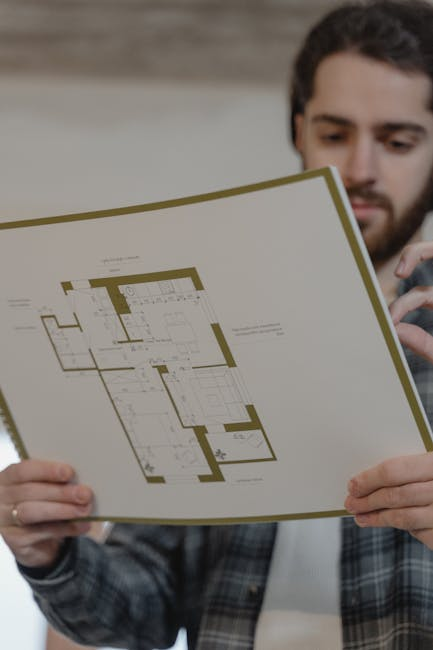
Hiring a design-build company means one team manages design and construction together. The main benefits are simpler communication, earlier budget feedback, better coordination, smoother permitting, and clearer accountability from planning through completion. For projects like remodels, additions, ADUs, and custom homes, design-build often makes the process more efficient and predictable.
- One point of contact for design, pricing, permits, and construction
- Earlier cost feedback while plans are still being developed
- Better coordination between design decisions and construction realities
- Smoother permitting and easier tracking of revisions
- Fewer handoff errors between separate firms
- Clearer accountability when issues arise
- More consistent execution from planning through finish work
In Orange County, these benefits can be especially valuable on projects that involve city review, HOA requirements, coastal rules, hillside conditions, or older-home constraints.
At OC Builders Group, we hear this question often in Newport Coast, Laguna Beach, Irvine, Coto de Caza, and other Orange County communities: what are the real benefits of hiring a design-build company? In this market, the project delivery model affects more than convenience. It can influence budget predictability, permit coordination, communication flow, and how closely the finished work matches the original design intent.
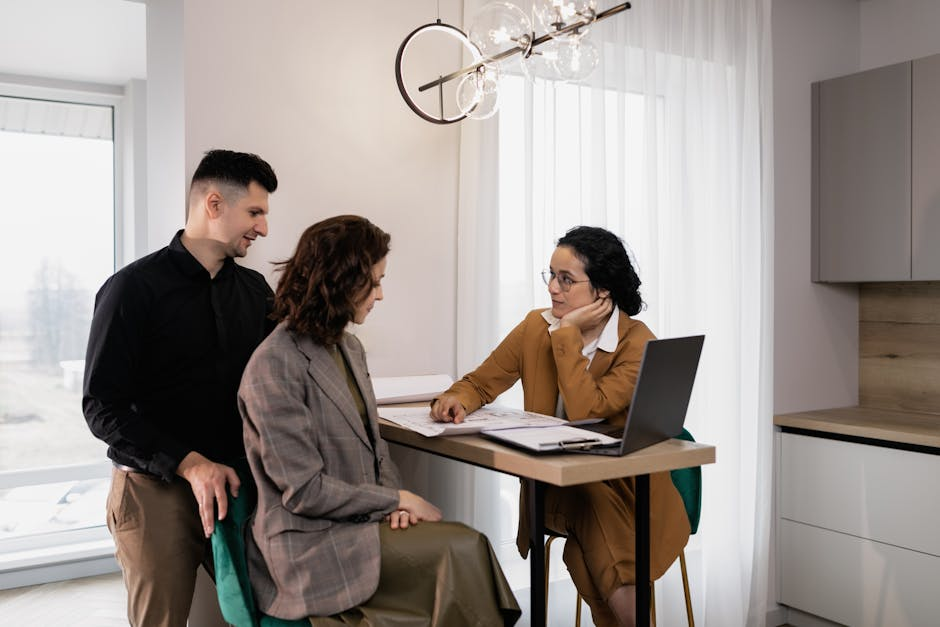
A design-build company manages both design and construction through one coordinated process. Instead of hiring separate parties and managing the handoff yourself, you work with one team from early planning through final construction.
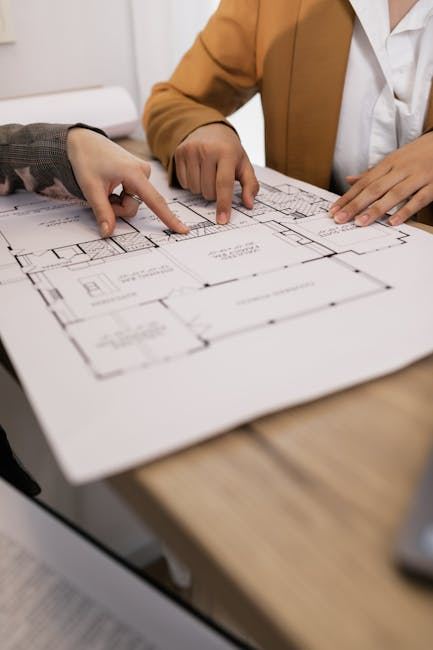
In practical terms, that can include planning, blueprints and planning, budgeting, permitting, scheduling, and construction management.
Benefits of Hiring a Design-Build Company
The biggest advantage of design-build is alignment. Design decisions, pricing, permitting, and construction are reviewed together from the start.
- One point of contact: You communicate with one team instead of coordinating between separate designers, estimators, and contractors.
- Earlier budget alignment: Pricing feedback happens during design, which helps reduce the risk of developing plans that exceed budget.
- Better design-construction coordination: Layout, structural, and finish decisions can be evaluated against construction realities before work begins.
- Smoother permit management: Plan revisions, city comments, and approval steps are easier to track in one process.
- Fewer handoff errors: There is less risk of disconnects between drawings, scope assumptions, and field execution.
- Clearer accountability: When problems come up, responsibility is usually easier to identify because one team manages the process.
- More consistent execution: Scheduling, supervision, and finish standards are easier to maintain across the full project.
Takeaway: Design-build is often most valuable when the project has structural changes, layout revisions, permits, or multiple moving parts that need to stay aligned.
Design-Build vs Traditional Architect-and-Bid vs Independent Contractor
In general, design-build is often best for complex projects, architect-first is often best for deep design exploration, and an independent contractor is often best for simpler remodels.
The traditional architect-and-bid route, also called design-bid-build, separates design and construction. You hire an architect first, complete the plans, and then request bids from contractors. This can work well for highly design-driven projects, but pricing and constructability feedback may come later, when revisions are more disruptive.
An independent general contractor usually works from a simpler scope, limited plans, or plans prepared elsewhere. This path often fits smaller cosmetic projects with fewer structural, permitting, or design-development demands.
In Orange County, the best fit usually depends on scope. A simple bathroom refresh may suit a contractor-led approach. A kitchen remodel that changes layout, moves plumbing, or opens walls often benefits from tighter design-construction coordination. An ADU design-build project, room addition, whole-home renovation, or new construction project typically requires more planning, permitting, and sequencing control.
Is Design-Build Better Than Hiring an Architect and Contractor Separately?
Not always. Design-build is often the better fit when you want tighter coordination, earlier budget feedback, and less homeowner involvement in managing separate parties. Hiring an architect and contractor separately can be the better choice when the project is highly design-driven and you want to complete design before selecting a builder.
The main difference is timing. In design-build, pricing and constructability feedback usually happen while plans are still evolving. In design-bid-build, those issues may surface later, after drawings are more developed.
When Should You Choose Design-Build?
Design-build usually makes the most sense when a project has many moving parts that need to stay aligned from the start.
- Layout-changing kitchen remodels
- Bathroom or primary suite reconfigurations
- ADUs and room additions
- Large-scale complete renovation work
- Custom homes and major structural remodels
These projects are less forgiving when design intent, budget, permitting, and site conditions are managed separately. Older homes, hidden conditions during demolition, and city-specific review comments can all increase the cost of misalignment.
Busy homeowners and small real-estate investors often prefer one-team coordination because it reduces the number of decision channels and simplifies accountability.
When Another Route May Be Better Than Design-Build
Design-build is not the best fit for every project.
- Choose architect-first if you want extensive concept development before selecting a builder.
- Choose an independent contractor if the project is small, cosmetic, clearly defined, and has limited permit complexity.
- Choose design-build if the project involves coordination risk, evolving scope, or significant permitting and construction planning.
Takeaway: The right choice depends on project complexity, desired involvement, and whether you want one party managing the full chain of design, permitting, and construction.
What Matters Most in a High-End Orange County Renovation?
When comparing project delivery models, starting price alone is not enough. A better question is how the team handles budget alignment, permit coordination, communication, and accountability once conditions change in the field.
Key indicators include:
- a single point of contact,
- realistic budget guidance during design,
- clear construction documents,
- a defined communication process,
- and a clear system for handling changes.
Other practical questions matter too: How detailed is the quote? How quickly can pricing be updated if scope changes? Who manages permit comments and plan revisions? How are allowances structured? How much change-order exposure is built into the original scope?
Craftsmanship consistency also matters. Many firms, including us, use vetted subcontractors for specialty trades rather than maintaining large in-house crews for every phase. What matters most is whether supervision, sequencing, standards, and finish expectations stay consistent from rough work through final details. You can explore our remodeling and building services and review examples in our Orange County projects.
Side-by-Side Comparison of Orange County Project Delivery Models
No model is universally best. Each has tradeoffs based on project complexity, homeowner involvement, and how much coordination burden you want to carry.
| Criterion / dimension | Design-Build Company | Traditional Architect + Separate Contractor | Independent General Contractor |
|---|---|---|---|
| Single Point of Contact | Usually yes; one team manages design, pricing, permitting, and construction. | No; the homeowner often coordinates between architect and builder. | Often yes for construction, though design may be separate or limited. |
| Design and Construction Coordination | High; builder input informs plans as they develop. | Often lower early, then improves after contractor selection. | Moderate to low; depends on plan quality and scope clarity. |
| Quote Turnaround Speed | Often faster once scope is defined within one process. | Can be slower because bidding and rebidding add steps. | Can be quick on smaller jobs; less predictable on complex work. |
| Budget Transparency | Often stronger during design because pricing feedback comes earlier. | May arrive later, after design is largely complete. | Can be clear on simple scopes; less stable when plans evolve. |
| Change Order Risk | Often lower when scope, selections, and constructability are aligned early. | Can rise if drawings, assumptions, or field conditions differ. | Varies widely; limited preplanning can increase exposure. |
| Permit and Plan Management | Commonly handled through one coordinated process. | Shared responsibility can create gray areas during revisions. | Depends on contractor capacity and outside design support. |
| Schedule Control | Typically more integrated from design through build. | Can be harder to maintain across separate teams. | Works well for simpler scopes; can strain under complexity. |
| Communication Simplicity | High; fewer parties and fewer interpretation gaps. | Moderate to low; the homeowner may relay decisions between teams. | Often straightforward on basic jobs, but design questions can create gaps. |
| Craftsmanship Consistency | Often stronger when one firm vets and manages trade partners throughout. | Depends heavily on contractor selection after design is complete. | Depends on that contractor’s supervision and trade network. |
| Customization Level | High; supports substantial custom work with budget feedback along the way. | Very high; often strong for deep design exploration. | Moderate; best when customization is already defined or limited. |
| Accountability for Problems | Usually clearer; one team owns coordination issues. | Can be divided between drawings and execution. | Often clear for construction, less clear when plans are external or incomplete. |
| Best Fit Project Types | Layout-changing kitchens, bathroom reconfigurations, ADUs, room additions, whole-home renovations, custom homes. | Ultra-custom homes, architect-led concept work, owner-managed projects. | Cosmetic remodels, smaller updates, limited-structure renovations. |
Quick takeaway: If your project involves structural changes, layout revisions, permits, or multiple decision-makers, design-build often provides the clearest path. If your priority is design exploration before builder selection, architect-first may be the better route. If the work is simple and well-defined, an independent contractor may be enough.
Questions to Ask Before You Hire Any Orange County Remodeling Partner
Whether you hire a design-build firm, an architect, or a general contractor, these questions can reveal process clarity early. They also align with consumer guidance from the California CSLB on hiring a contractor, the CSLB explanation of what a contract is, and CSLB information on building permit requirements. Broader industry context from the National Association of Home Builders can also help.
- Who is responsible for permitting, plan revisions, and city responses if comments come back?
- Who owns the plans and construction documents, and how detailed are they before final pricing?
- How are allowances structured for cabinetry, plumbing fixtures, tile, appliances, and finish materials?
- What triggers a change order, and how is added cost approved before work proceeds?
- Who manages the schedule day to day, and who is our primary contact throughout construction?
- Who supervises the site daily, and how often do we receive progress updates?
- Do you use in-house labor, subcontractors, or both, and how do you vet those trade partners?
- When field conditions conflict with drawings, who is responsible for resolving the issue and pricing the fix?
- Can you show similar work in Orange County cities with HOA, coastal, hillside, or older-home constraints?
- How quickly can pricing be updated if layout, materials, or structural requirements change during preconstruction?
FAQ: Design-Build Companies in Orange County
- What is a design-build company in Orange County?
- A design-build company manages both design and construction through one coordinated process. For homeowners, that usually means one communication channel and earlier alignment between plans, pricing, permitting, and construction.
- What are the main benefits of design-build?
- The main benefits are simpler communication, earlier budget feedback, tighter coordination, smoother permit management, and clearer accountability. These advantages are most noticeable on projects with structural changes, layout revisions, or permit complexity.
- Is design-build better than hiring an architect and contractor separately?
- Not always. Design-build often works best when you want clearer accountability and earlier budget input, while a separate architect-and-contractor approach can be better for highly design-driven projects.
- Does a design-build company handle permits in Orange County?
- Often, yes. Many design-build firms handle or closely manage plan preparation, submittals, correction responses, and coordination between approved drawings and field work.
- Can design-build help reduce change orders during a remodel?
- Often, yes. It can reduce avoidable change orders caused by disconnected planning, though it cannot eliminate changes caused by hidden conditions during demolition.
- Is design-build only for large luxury remodels and custom homes?
- No. It is especially useful on larger or more complex projects, but it can also be a good fit for kitchens, bathrooms, and additions when layout changes, permitting, or structural work are involved.
- How does budgeting work in a design-build process?
- Budgeting usually develops alongside design. As plans and selections evolve, pricing is updated so the project can be adjusted before drawings are fully finalized.
- What kinds of projects are best suited to design-build?
- Common fits include layout-changing kitchen remodels, bathroom reconfigurations, ADUs, room additions, whole-home renovations, and new construction. These projects benefit from close design-construction coordination.
- When might an architect-first approach make more sense than design-build?
- It may make more sense when the owner wants substantial design exploration first, plans to bid the project to multiple builders later, or prefers separate design and construction relationships.
- How do we compare design-build companies in Orange County?
- Compare process clarity, permit coordination, allowance structure, schedule management, local project experience, and who is accountable when site conditions and drawings do not match.
- Do design-build firms use in-house teams or subcontractors?
- Many use a mix. What matters most is how those trade partners are vetted, supervised, scheduled, and held to consistent standards.
Bottom Line
For remodels and custom homes with structural changes, permitting, or multiple decision points, design-build is often the most efficient and predictable project delivery method. If you are comparing options now, focus less on the label and more on how the team keeps scope, budget, permits, and execution aligned. In Orange County, design-build is often the strongest fit when coordination risk is high and a single accountable process can improve predictability from planning through completion.